
Dig Into World Soil Day at the EAA Education Outreach Center
Soil is More Than Just Dirt
Healthy Soils for Healthy Cities
This World Soil Day celebrates the theme “Healthy Soils for Healthy Cities,” all about how soil isn’t just important out in nature, it’s a superstar right in our urban neighborhoods too! Urban soil soaks up rainwater to prevent flooding, helps cool our cities during hot summers, store carbon to fight climate change, and supports a surprising amount of biodiversity. But city growth and development can seal off soil with impervious cover like pavement and buildings, which hurts these benefits.
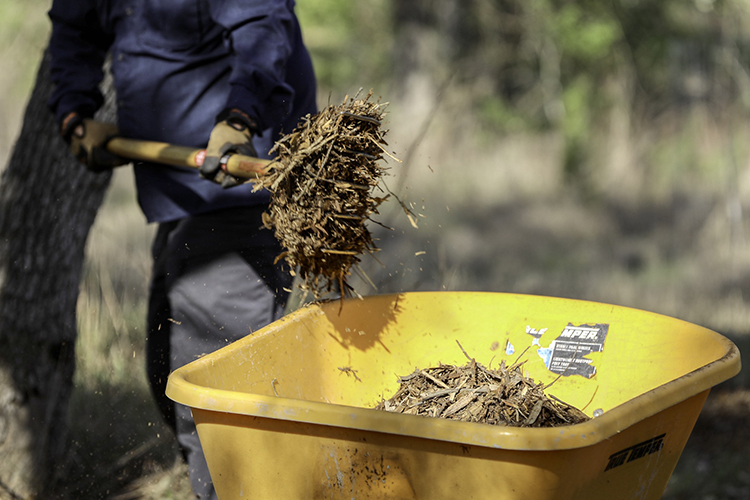
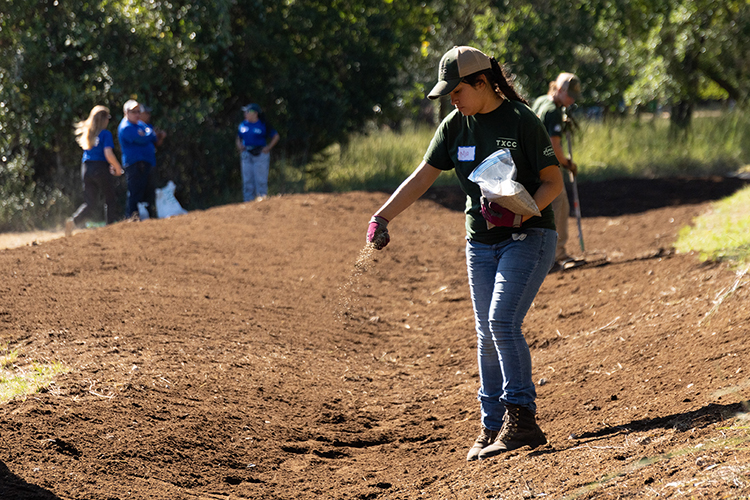
That’s why smart solutions like green roofs, urban gardens, and sustainable land management practices are so important. The Edwards Aquifer Authority Field Research Park evaluates nature-based land management practices to enhance aquifer recharge and soil health. Specific practices include implementing berms and swales to slow storm water runoff to using native vegetation that can thrive in rocky soils and the Texas heat.
These land management practices are an effort to improve soil health, add soil water holding capacity, increase infiltration, and reduce erosion that can lead to excessive surface water runoff and sediment loading in rivers and creeks. These practices are an effort to ensure the Edwards Aquifer’s sustainability for future generations to come!
Meet Texas’ Soil Squad
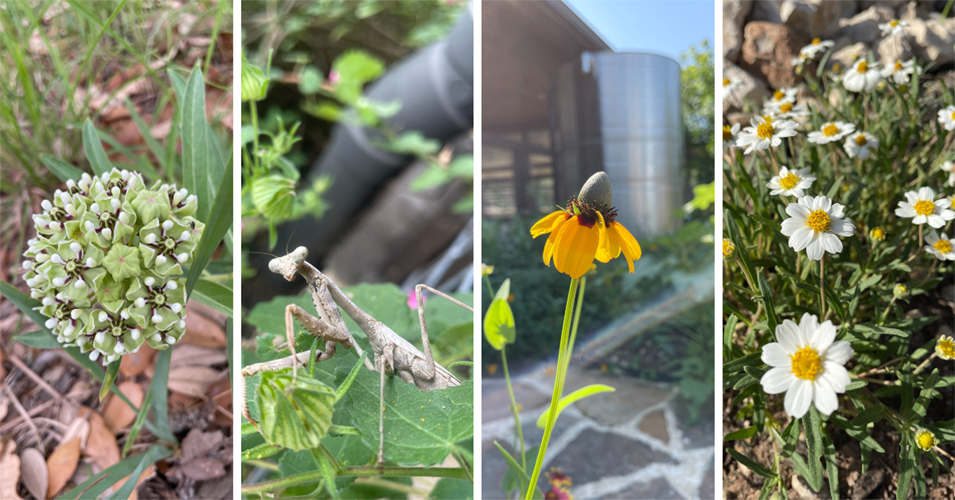
Native plants aren’t just superheroes for our Edwards Aquifer, they’re also low maintenance champs that thrive best in their very own native soil! Here at the EAA Education Outreach Center, you can view some of Texas’ native plant beauties up close and learn about the soil that keeps them thriving!
Texas has some serious soil variety, check out the soil squad:
- Rocky Soil: Found in hill country, this tough cookie drains water like a pro and is perfect for plants that like to keep their roots dry. Autumn Sage grows well in this soil, as it needs well-draining soil and thrives in lean, dry conditions.
- Clay Soil: This dense soil holds watertight, great for plants that want to stay hydrated but can sometimes be a little slow-moving when it comes to drainage. Perfect for growing Purple Coneflowers!
- Sandy Soil: Light and quick-draining, sandy soil warms up fast and is ideal for plants that like a little extra sunshine on their roots. A great soil for Turk’s Cap, but can also thrive in clay soil!
Get Your Hands Dirty at the EAA Education Outreach Center!
Want to learn more about Texas soils and how to pick the perfect dirt for your garden? Swing by the EAA Education Outreach Center! Explore fun exhibits, discover which soil fits your native plants best, and get tips to help protect the Edwards Aquifer.
So, this World Soil Day, let’s celebrate the ground that keeps us growing, because when soil thrives, we all do!
Visit the EAA Education Outreach Center to learn how healthy soils support healthy communities and how you can make a difference at home.
More Posts
From Lens to Landscape: Tips for Our Rooted in Saving Water Photo Contest
June marks the official start of summer – and one of the most fascinating astronomical events of the year: the summer solstice. This annual milestone happens when Earth’s tilt is at its maximum toward the sun, giving the Northern Hemisphere its longest day and shortest night of the year. This year, the summer solstice arrives on June 20th at 3:50 p.m. CDT.

Well, Well, Well – Celebrating National Groundwater Awareness Week
Posted on March 5, 2026 by Savannah HeadenGood Well vs Bad Well exhibitEach year during the second full week of March—this year, March 8–14—the EAA Education Outreach Center celebrates National Groundwater Awareness Week, a time dedicated to recognizing the importance...
0 Comments