
Earth Day 2026: Become an Agent of Environmental Change
Posted on April 15, 2026 by Kambria Flor Perez
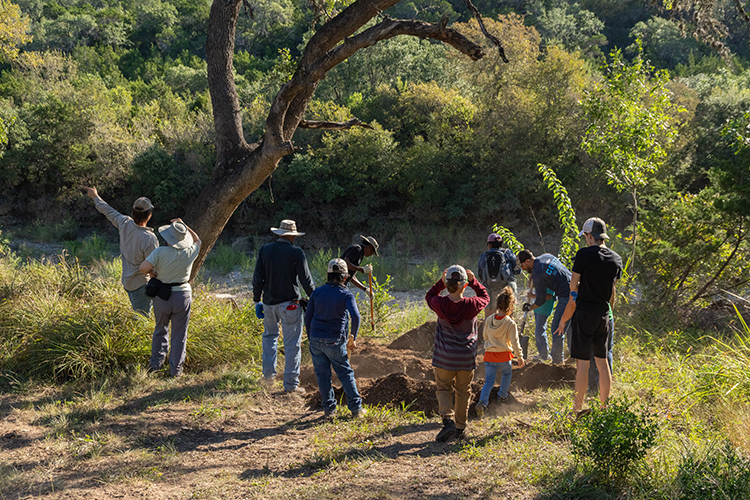
Earth Day is celebrated every year on April 22nd. It was first celebrated in 1970, after years of environmental awareness brought in part by Rachel Carson’s revolutionary book, Silent Spring, where she wrote about how pesticides, especially DDT, and pollution negatively impact wildlife and the environment. In the years following her book’s release, an environmental movement grew. The Environmental Protection Agency was formed, and DDT was banned as people began to consider their own impact on the environment and pushed for change. In 1970, Gaylord Nelson organized a teach-in about pollution, as a reaction to the 1969 oil spill in Santa Barbara, California. This became the first Earth Day. Decades later, April 22nd marks the day where communities organize events to celebrate the earth, learn about its resources and organisms, and be conscious of our impact on it. Many Earth Day events include educational activities, tree/plant giveaways, and environmental organization fairs, all to promote sustainable choices from individuals within the community.
One of the biggest reasons people refrain from participating in Earth Day, and in sustainable practices year-round, is eco-perfectionism. Eco-perfectionism is a term to describe the pressure that people feel to be perfectly environmentally conscious and make correct choices. This can become taxing, and when they don’t live up to those standards, they become burnt out and stop making attempts at sustainability. This is a harmful mindset because, as the official Earth Day website says, “Imperfect climate action is better than perfect climate inaction.”
Small decisions to lower your ecological footprint, when done by many people, will contribute to a healthier planet. An example our STEAM educator Elizabeth uses here at the EOC is about saving water when brushing your teeth. If we tell everyone in a class to turn off the faucet when they brush their teeth, then that might not seem like it will have an effect. But we had over 11,000 people visit last year, and if each of them embraced water conservation when brushing their teeth, a collective and impressive impact can be made! Visitors might encourage their friends too, and suddenly one small action everyone takes has a big effect on our water use. When we don’t concentrate too hard on being perfect, we allow ourselves to progress. The theme of Earth Day 2026 is “Our Power, Our Planet.” We all live on Earth, and if we all take sustainable actions in our daily lives, we have the power to help our planet.
What are some things you can do? You can start by taking a quiz to calculate your ecological footprint with footprintcalculator.org. This quiz shows you what aspects of your life contribute most to your footprint, and you can have a better idea of things you can do to lessen your impact. Here are some other examples of individual and community actions to be more climate conscious.

- Pick up litter you see on the ground.
- Plant Texas native plants.
- Use reusable utensils/dishware.
- Turn off the water when brushing your teeth.
- Take shorter showers.
- Become an EAA EOC Volunteer: click here
- Plan an Earth Day activity for your friends and family, such as a movie night or DIY “pollinator hotel” craft.
- Organize a teach-in.
Ever since the 1970s, there has been a global environmental movement to protect our planet, and 56 years later, it’s as important as ever to keep the passion alive! Remember that while it often comes from a good place, eco-perfectionism ultimately does more harm than good. You do not have to be perfect to make a positive impact. There are many things you can do this Earth Day to celebrate. Whether it’s big or small, all individual efforts become community efforts. “Our Power, Our Planet.”
More Posts
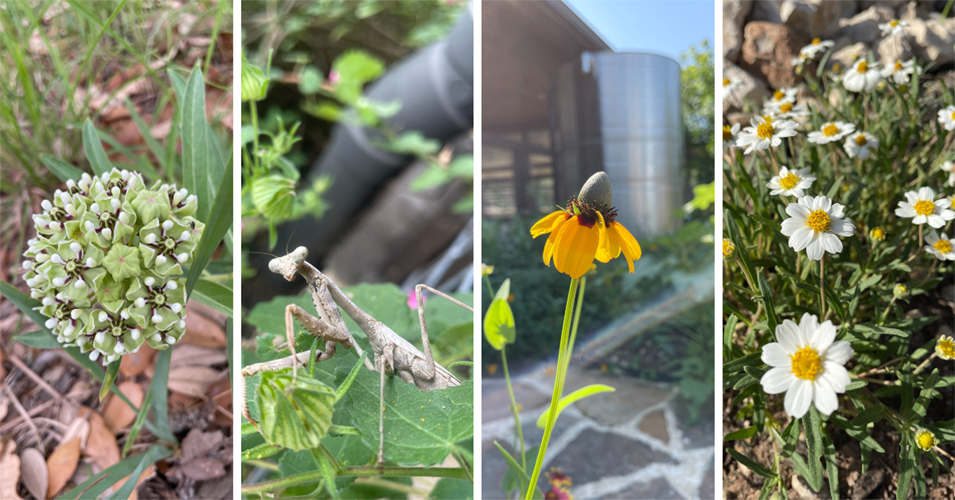
June marks the official start of summer – and one of the most fascinating astronomical events of the year: the summer solstice. This annual milestone happens when Earth’s tilt is at its maximum toward the sun, giving the Northern Hemisphere its longest day and shortest night of the year. This year, the summer solstice arrives on June 20th at 3:50 p.m. CDT.
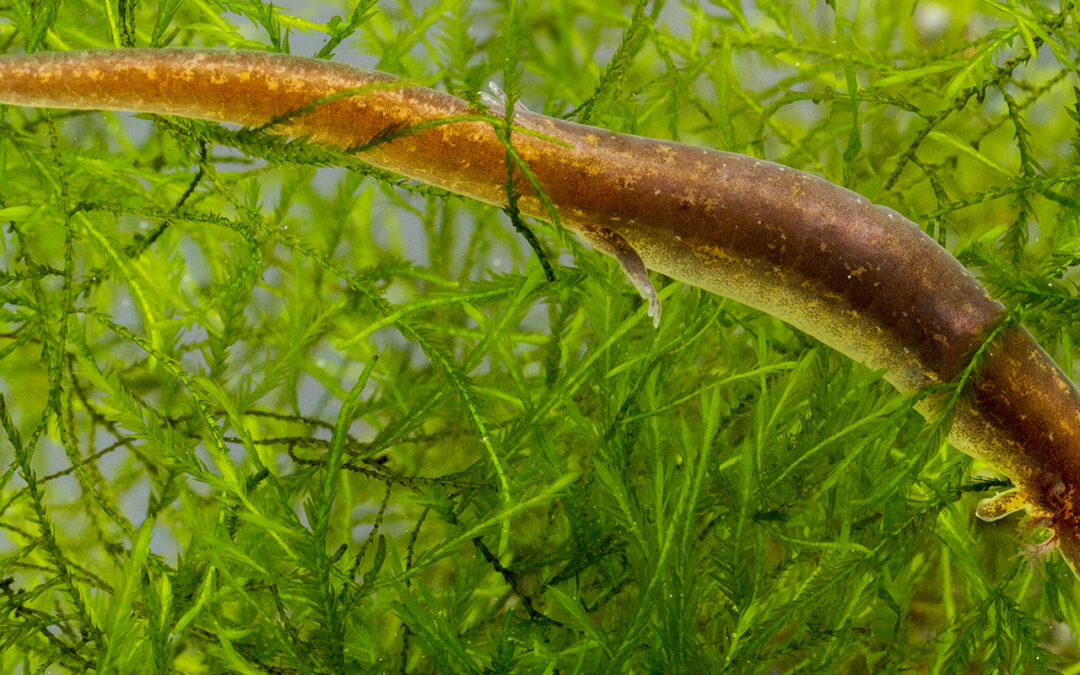
Posted on May 14, 2026 by Carolyn CamposThis May 15th marks the 21st annual Endangered Species Day. What began as a U.S. initiative has grown into a global movement, supported by zoos, aquariums, and conservation organizations around the world. Established by the U.S....
0 Comments